
End-of-year Wrap
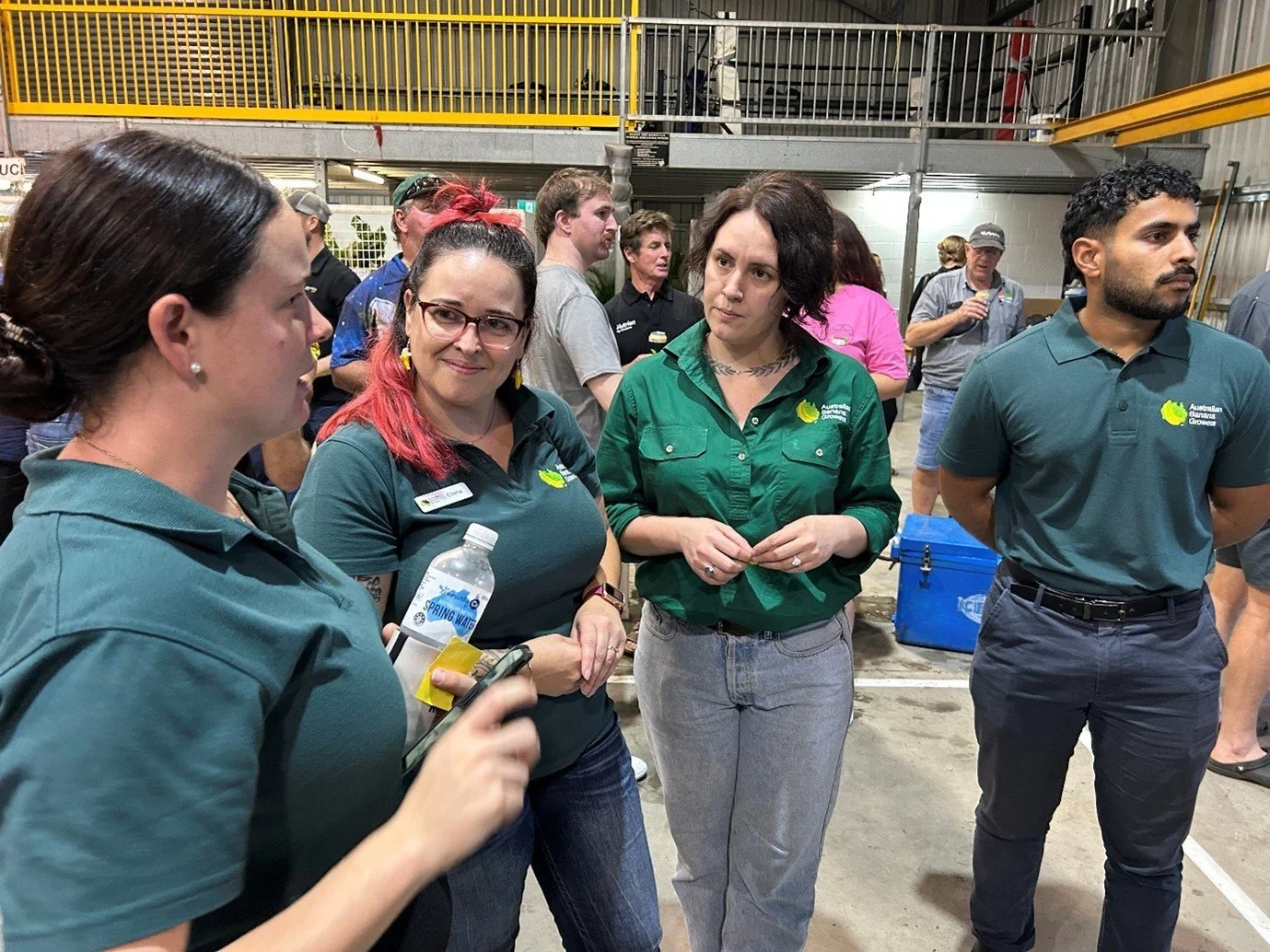
Banana Weigh-in, Tully Show, FNQ
A year of progress and partnership
It’s been a milestone year for the management of Panama TR4 within our industry, marked by renewal, collaboration and optimism. From the recommencement of surveillance operations to the rebranding of the TR4 Program, 2025 has been all about shaping a more proactive future for growers.
After a period of review and realignment, surveillance officially recommenced on 7 April under the new banner: ABGC Grower Support (Biosecurity).
This program builds upon years of industry experience while placing growers firmly at the centre of every activity. Supported by Biosecurity Queensland (BQ), the renewed approach focuses on early detection, education and practical support - helping every grower take strong, confident steps to protect their farms.
Name change reflects renewed focus
In 2025, the Panama TR4 Control Program became ABGC Grower Support (Biosecurity). While the focus on TR4 remains central, the new name reflects a shift in mindset - from fear and crisis management to empowerment and proactive prevention. As Grower Support (Biosecurity) Manager, Elisha Farmer put it;
“Our new name reflects who we are and what we stand for - supporting growers, building confidence and taking practical steps to protect our industry’s future.”
Science, Strategy and Surveillance
Throughout 2025, surveillance operations followed a carefully structured, science-based plan, starting with high-risk zones in the Tully and Innisfail regions and expanding outward to the Tablelands, Mareeba and Lakeland.
Routine sampling is no longer required on properties where the disease is present.
Trained Field Officers visually inspect up to 80% of plants on all other farms, focusing on early detection and rapid response. If symptoms are identified, samples are collected and tested through Queensland’s Plant Biosecurity Laboratory using molecular diagnostic techniques.
This data-driven approach ensures resources are focused where they are most needed. By introducing a risk-based surveillance strategy, ABGC has made monitoring more efficient and precise - targeting potential disease hotspots while minimising disruption to unaffected farms.
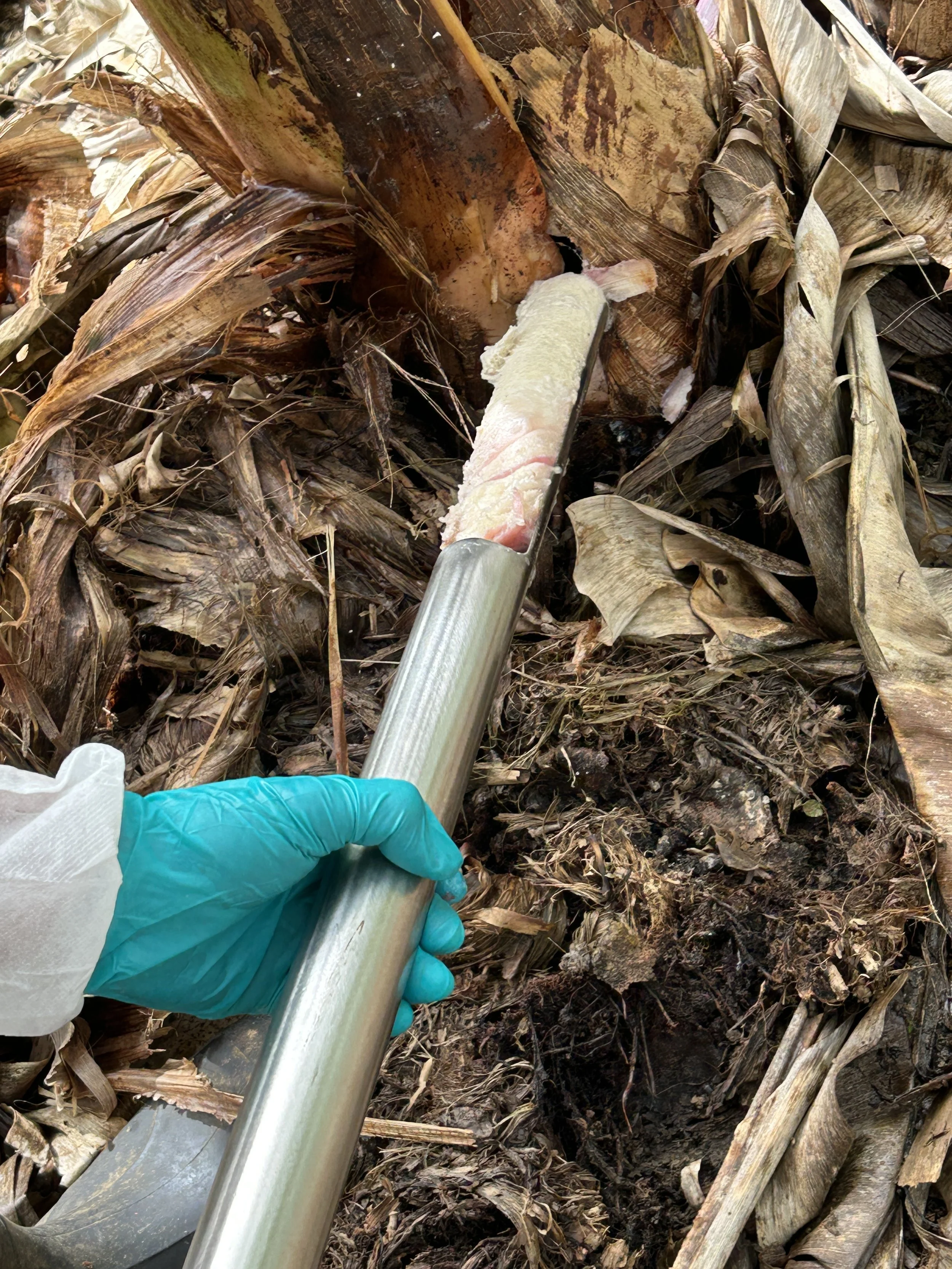
Sample training, South Johnston, FNQ
Behind every successful surveillance program is a dedicated team. This year, ABGC’s Field Officers (FOs) underwent extensive training to prepare for their vital role in monitoring for Panama TR4 across Far North Queensland. From mastering Queensland’s Biosecurity Act requirements to hands-on sessions in the paddock, every officer received comprehensive instruction in disease recognition, sampling, decontamination and on-farm biosecurity protocols.
New directions: exploring alternative crops
Ten years on from the first detection in the Tully Valley, Australia remains a world leader in containment, thanks to the discipline and commitment of growers. In collaboration with Biosecurity Queensland, and following thorough risk assessments and consultation, sugarcane became the first approved alternative crop for land with TR4. Each case will be assessed individually, ensuring that new uses do not increase the risk of disease spread. This initiative offers impacted growers a path to maintain productivity while protecting the broader industry - proof that, even in the face of adversity, innovation and adaptability continue to thrive
Out and about
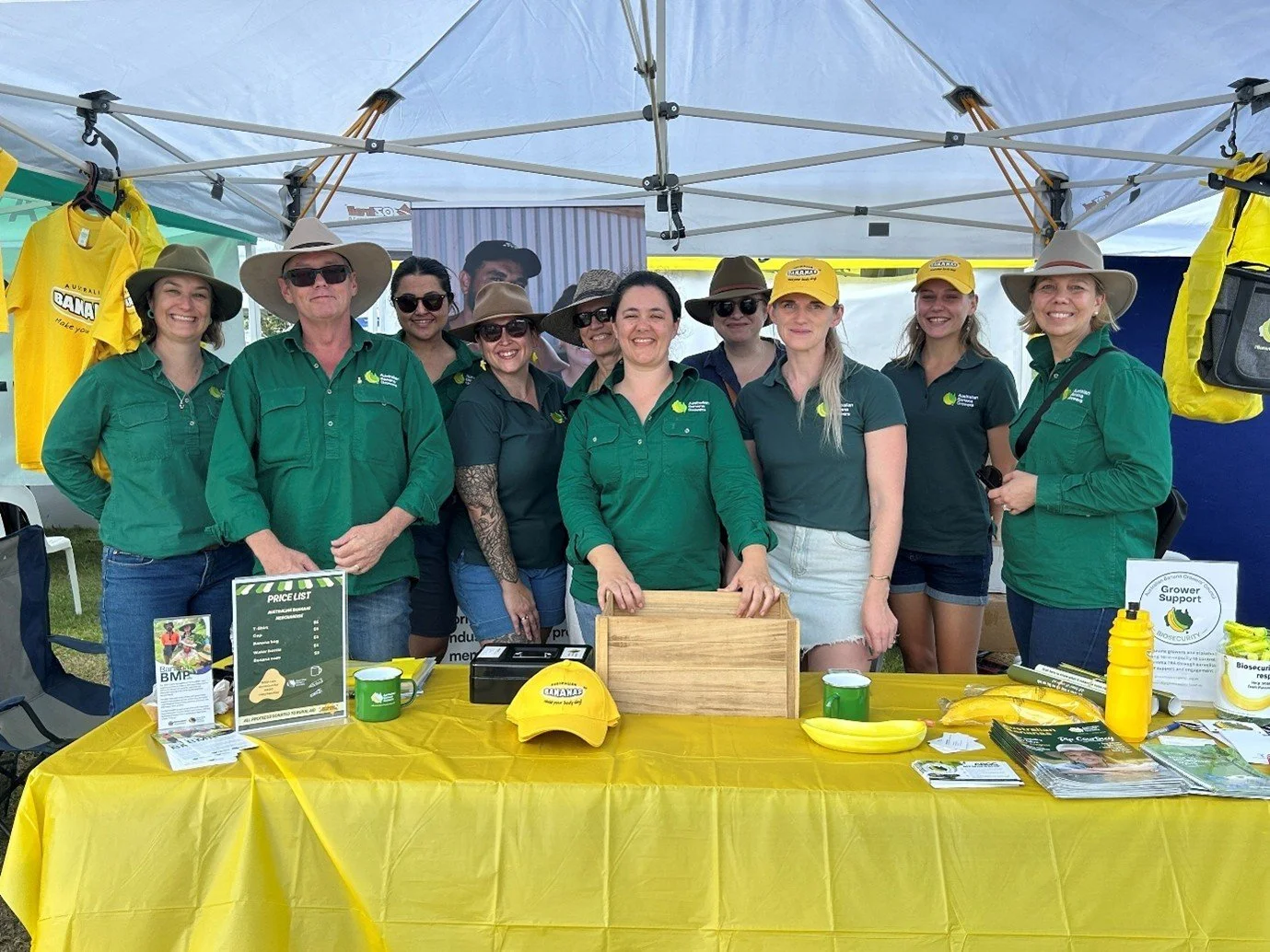
Rotary Field Days, Mareeba, FNQ
The team thoroughly enjoyed interacting with many of you on-farm, at various events and through emails, e-bulletins and on the phone. We attended the bi-annual Mareeba Field Days in FNQ in May, Banana Congress on the Gold Coast in August and various local grower meetings including a seminar to explain the Grower Support (Biosecurity) program to Punjabi growers in Innisfail.
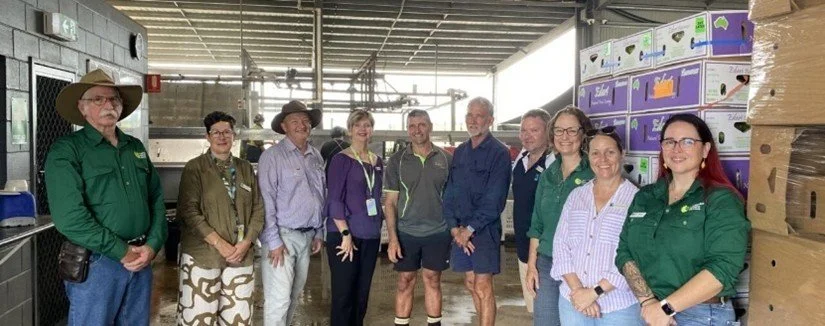
Meeting with CCRC, Innisfail, FNQ
We also met with the Cassowary Coast Regional Council (CCRC) in September to discuss critical biosecurity concerns for the region’s banana industry and community. Council representatives joined us on a farm at Innisfail where they saw firsthand the biosecurity practices used to protect against Panama TR4. The visit highlighted the value of the banana industry on the Cassowary Coast – and the importance of a united effort to protect it.
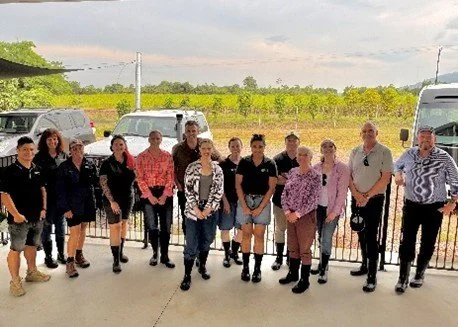
Meeting with Biosecurity Queensland Leadership Team, FNQ
We also took the opportunity to meet the Biosecurity Queensland leadership team when they visited FNQ in October. The team had travelled to hear your perspectives and discuss any concerns or challenges you may be facing. It was also a chance to introduce Emma Atkins, the new Regional Biosecurity Director for the North. We will be out and about next year and always encourage you to contact us at any time.