

Panama disease tropical race 4 (Panama TR4) is a serious disease of banana plants that has been found on farms in Far North Queensland. We have developed a number of resources to help you protect your farm.
Key contacts
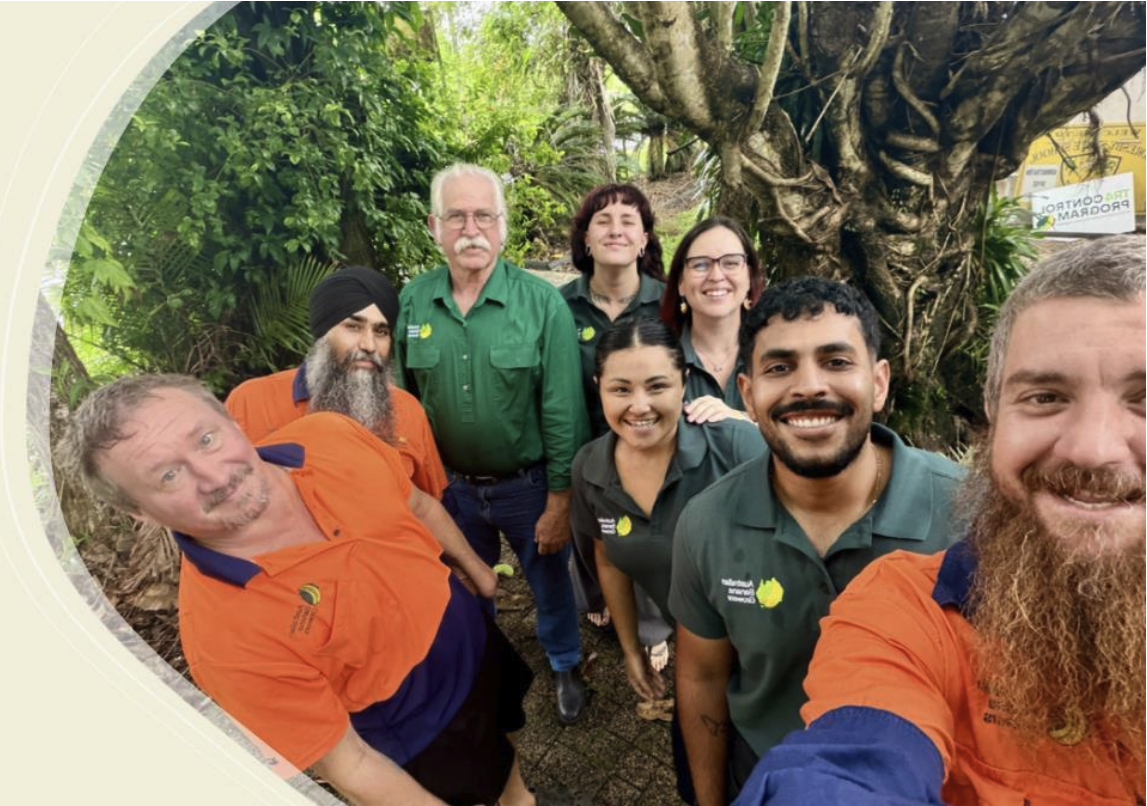
If you need to speak to someone, please reach out to the Grower Support (Biosecurity) team:
Sarah Rowan (Acting Program Manager) - 0458 777 929
Maurice Thompson (Grower Support and Engagement Officer) - 0455 515 805
Australian Banana Growers’ Council general contact - info@abgc.org.au
Understanding Panama TR4
Panama TR4 is a soil-borne fungal disease that enters through the roots and starves the plant of water and nutrients, causing the plant to wilt and die.
Panama TR4 can infect most banana varieties including:
Cavendish
Lady Finger
Ducasse
The disease is among the greatest threats to worldwide banana production. In some countries, the impact on industries and livelihoods has been devastating. We need to manage the disease in Far North Queensland or the same impact may occur.
The disease can't be eradicated and can survive undetected in the soil for decades. We can't identify TR4 until banana plants show external signs of infection.
You can easily spread the disease if you move:
infected banana plants and planting material
contaminated soil and water
vehicles
equipment
animals
heavy rainfall
floods
Grower Kit
The Grower Kit brings together the latest information about the disease, on-farm biosecurity practices and support services, specifically for Far North Queensland banana growers. It was updated in 2026.
Protecting your farm
Good on-farm biosecurity measures are critical to protect farms from TR4 and to contain the disease if it is detected. You must ensure you manage the movement of soil, water and plant material entering and exiting a farm.
Equipment and items that have come into contact with infected planting material or contaminated soil may spread the disease, such as:
vehicles
machinery
tools
clothing boots.
On-farm biosecurity measures include:
zoning—a simple and cost-effective way to manage disease risk pathways onto and off a farm
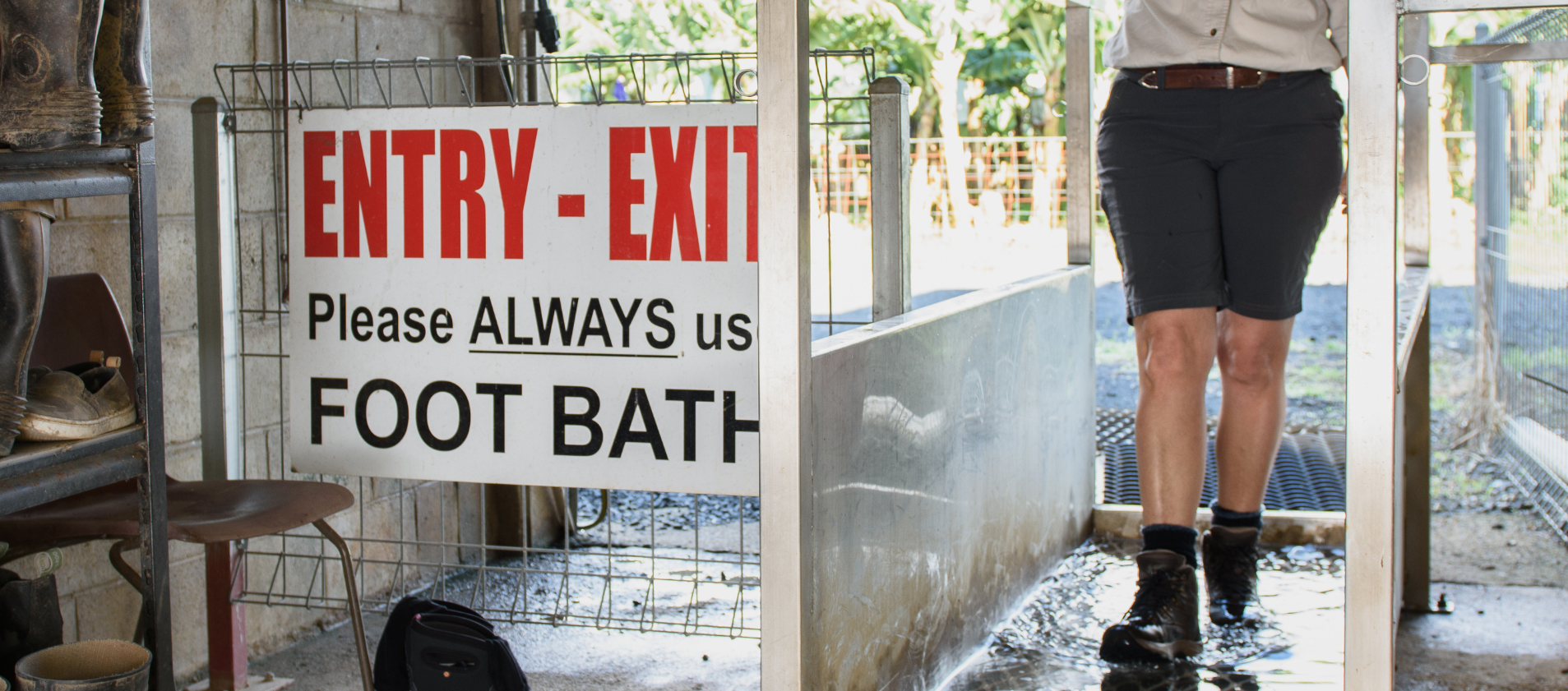
footwear exchange stations and foot baths
cleaning and disinfecting all vehicles and machinery
setting up a clean access road.
Financial assistance
The Queensland Rural and Industry Development Authority (QRIDA) offers sustainability loans to eligible producers under the Queensland Government Primary Industry Productivity Enhancement Scheme (PIPES). A sustainability loan can be used to invest in control measures to protect farms from biosecurity risks.
Read more about sustainability loans for primary producers.