

Surveillance for Panama TR4
About the surveillance program
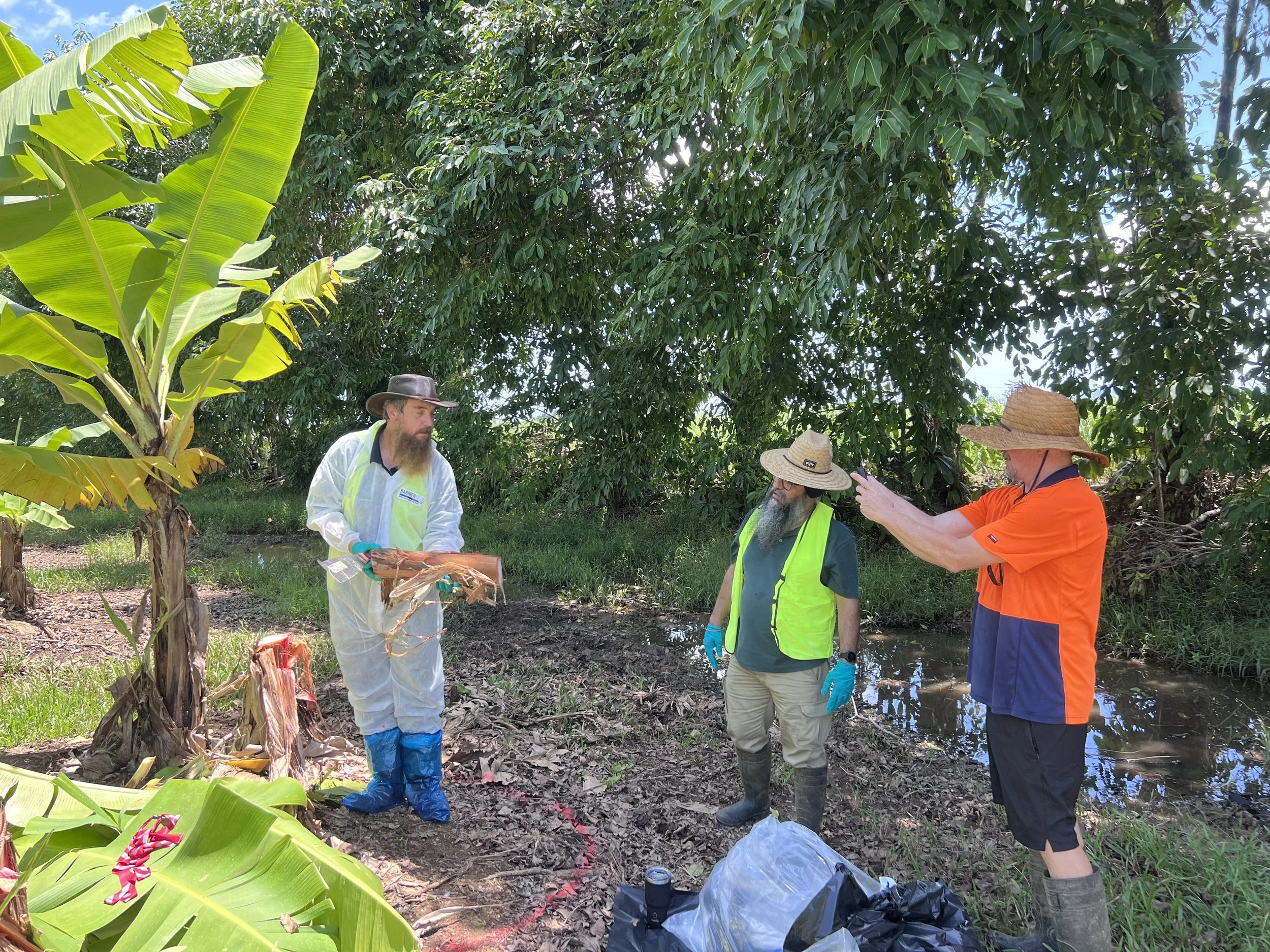
Our surveillance program focuses on monitoring for Panama disease (TR4) while supporting good biosecurity practices on farms. We work closely with growers to schedule visits at times that suit them, ensuring inspections are efficient, practical, and tailored to each property. Through these ongoing conversations, we help keep biosecurity front of mind and make the process as straightforward as possible.
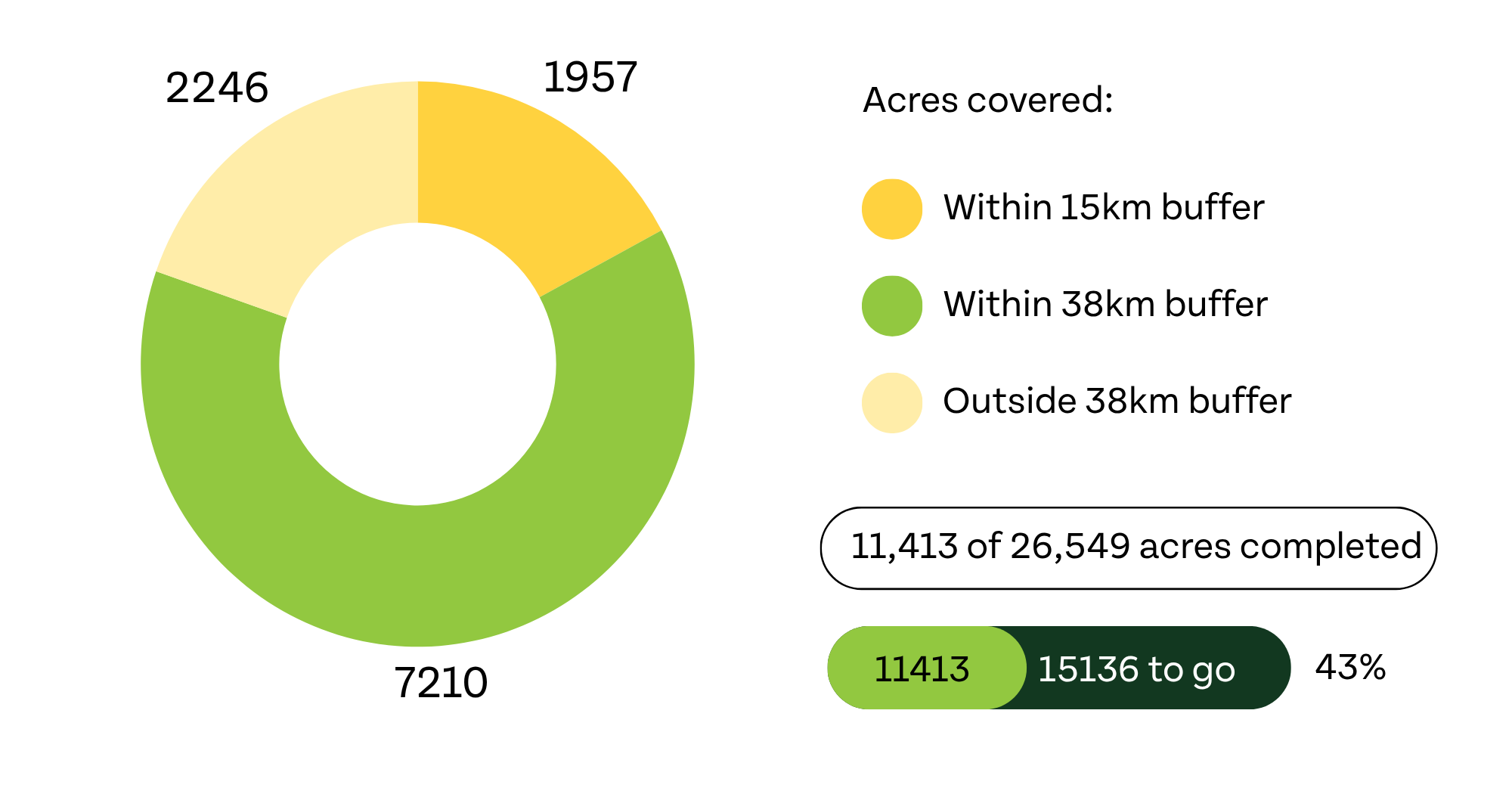
Current statistics
31 March 2025 - 20 February 2026
What to expect when it’s time for surveillance
A member of the Grower Support (Biosecurity) Team will give you a call a few weeks out from a potential visit from the field crew, and work with you to find a suitable date and time.
A Field Officer will be in contact with you the morning of surveillance to confirm an ETA.
The crew will alert you when they arrive. You are welcome to meet them, but it’s not a requirement.
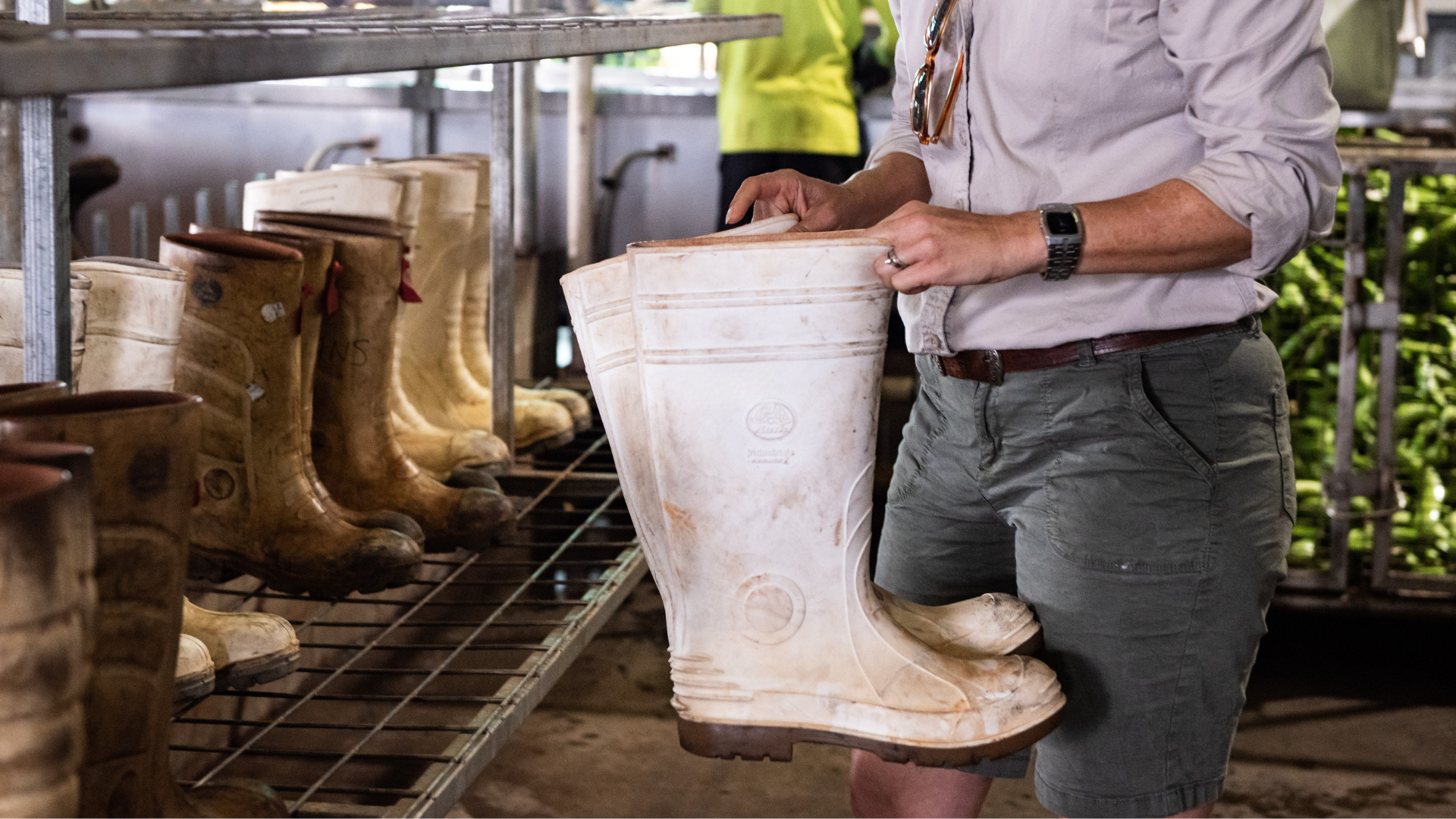
Field Officers will follow thorough decontamination measures upon arrival, and adhere to any on-farm biosecurity direction.
The Field Officers are highly trained and will walk your property to visually inspect plants for signs of TR4.
You will be advised when their work is complete and if they found anything of note.
You’re welcome to chat to them about Panama TR4 or biosecurity in general. If they can’t help, they’ll connect you with the right person.
When they’re ready to leave, they will again follow strict decontamination measures. Come clean, leave clean.
A member of the Grower Support (Biosecurity) Team will contact you when it’s time to revisit your farm, with frequency depending on your location. More on the frequency and method used below.
All-in surveillance
Due to a change in the Biosecurity Act, this program is all in - not opt-in. We will always work with you and seek consent for entry. But what happens if you say no?
If it’s poor timing, we can work with you to reschedule a visit. Our team is happy to assist.
If it’s more than this, we’ll seek to understand your concerns and reasons for saying no. You may wish to speak with our Program Manager, CEO or even a member of the ABGC Board as part of this process.
In rare occurrences, where an agreement cannot be reached and all options are exhausted, Biosecurity Queensland will step in to ensure General Biosecurity Obligations, and requirements under the Act, are being met. This is a last resort and one we want to avoid.
Industry has said, time and again, that surveillance is an effective way of monitoring this disease – but it only works if everyone is ‘in’. We understand that it can be daunting and want to make sure it’s as smooth as possible.
Our sincere thanks to everyone who has been part of efforts so far.
Meet the people delivering surveillance
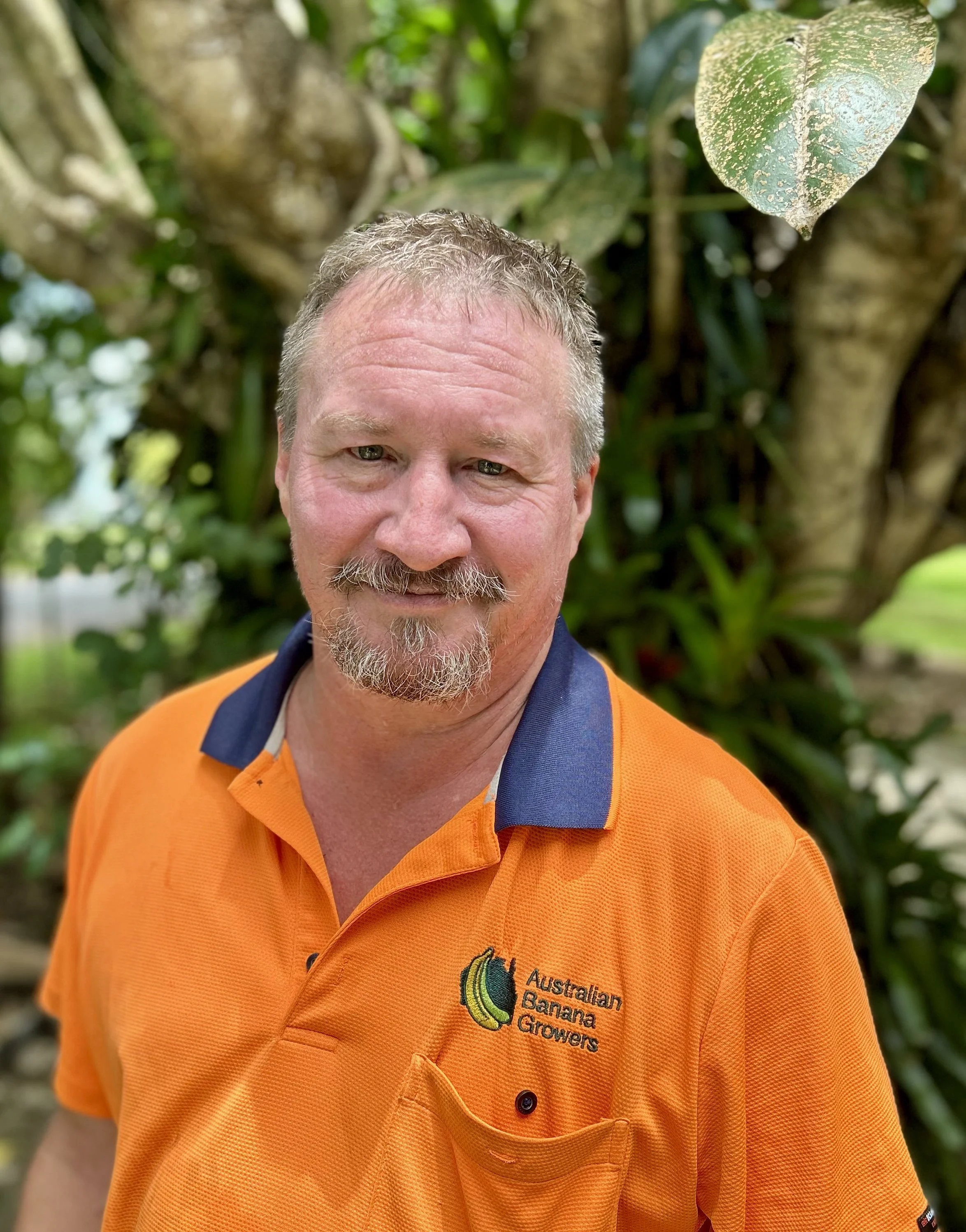
Kim Prins
Field Officer

Parminder Pabla
Field Officer

Sarah Rowan
Surveillance Coordinator
Senior Project Officer
The science of surveillance
The Australian Banana Growers’ Council’s surveillance strategy is a proactive approach to monitoring and managing TR4 across commercial banana farms.
ABGC surveillance commenced with high-risk properties in the Tully and Innisfail areas, as identified by a buffer area of 38km radius from known TR4 detections.
Other banana farms in the greater Innisfail region receive surveillance following completion of the initial priority area (38km buffer).
Banana farms in the Tablelands, Mareeba and Lakeland and other remaining areas are targeted after the greater Innisfail area.
Surveillance will recommence in the Tully-Innisfail buffer area upon completion of the other areas (pending any changes to strategy).
Properties with confirmed TR4 detections are not subject to surveillance by the ABGC. These growers are expected to undertake their own surveillance and must report suspect plants to BQ as a requirement of section 42 of the Act.
The ABGC has developed its surveillance strategy based on scientific principles, using data from past outbreaks and modelling techniques to assess the risk of disease spread. This approach allows the team to focus resources where they are most needed, ensuring that surveillance efforts are both efficient and effective
Surveillance feedback or questions
If you would like to get in touch with a question about surveillance, or to provide some feedback, please email us at growersupport@abgc.org.au and a member of the team will contact you as soon as possible. Alternatively, fill out the form and hit send.